Africa's crypto ecosystem is no longer simply up-and-coming. It is evolving quickly, and ignoring it could mean missing one of the most dynamic digital-asset markets of the next decade.
Between July 2024 and June 2025, Sub-Saharan Africa recorded US$205 billion in on-chain crypto value, a 52 percent year-over-year increase. Nigeria accounted for roughly US$92.1 billion of that activity.
Africa's emerging crypto market is getting real
These figures point to adoption across retail, business, remittances, and stablecoin use. For many Africans, crypto is becoming part of everyday financial life rather than a short-term speculative trend.
Why global projects should take notice
The market offers real liquidity and active users, demand beyond speculation, growing regulatory and infrastructure readiness, and a youthful, tech-savvy population ready for crypto innovation.
Crypto often addresses concrete needs in the region: inflation, currency devaluation, limited banking access, cross-border payments, and remittances.
What local platforms show on the ground
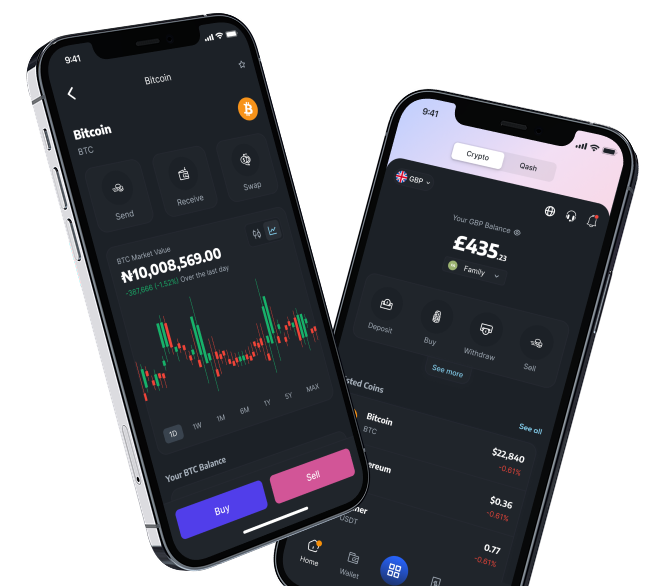
On platforms such as Roqqu, users trade, swap, send, and receive for both everyday transfers and large cross-border flows. Stablecoins and fiat-to-crypto bridges help users work around traditional banking limitations.
Global projects that integrate with local exchanges are entering a live market with established infrastructure and real demand, not a test market.
What this means for global projects
Africa offers product-market fit for practical needs, high potential for user growth, early-mover advantages, and a range of use cases from payments and savings to remittances and decentralised finance.
Conclusion
Africa's crypto market is deep, liquid, and utility-led. Projects that engage early can build trust and partnerships in one of the world's fastest-growing digital-asset regions.